
Plant Inspection & Condition Assessment – Professional Inspections from Ratingen, Deployed Across Europe

Plant inspection is a key tool for operators to manage the condition, safety and availability of industrial plants in a planned manner, especially before shutdowns, revisions or in the event of noticeable operating values. We, Impulse Filter Spareparts & Service GmbH (“Impulse Filter”), carry out industrial plant inspections and condition assessments as a service from Ratingen, deployed across Europe, with personal points of contact, clear coordination and high quality standards.

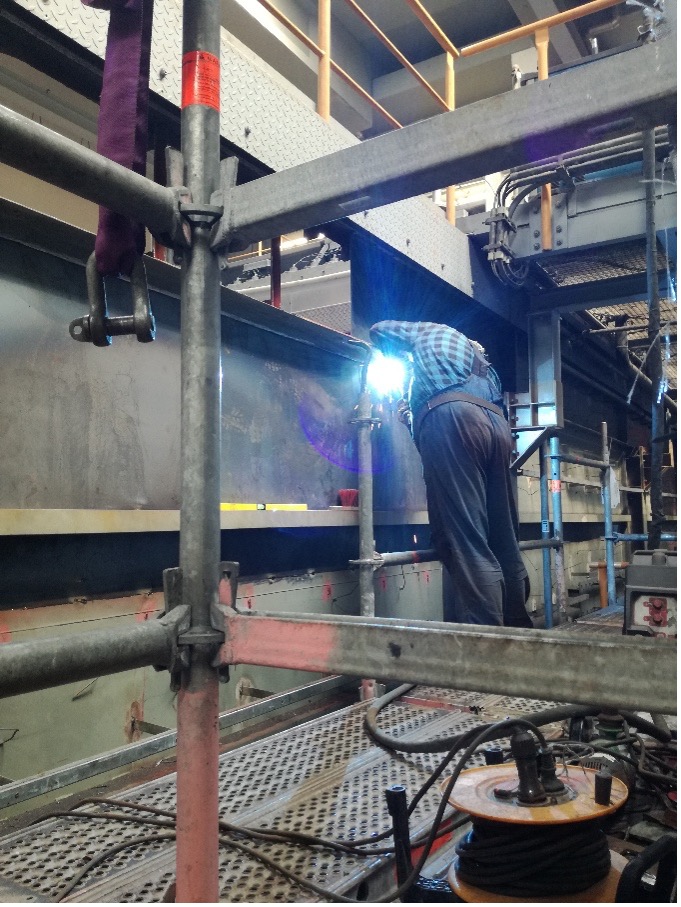
Ein Arbeiter in Schutzkleidung schweißt auf einer Baustelle mithilfe von Filtertechnik in der Nähe von Gerüsten und Geräten Metall.

Plant Inspection

Filtertechnik

What is meant by plant inspection?

By plant inspection, we mean the professional inspection and assessment of defined plant areas according to the agreed scope, including condition assessment, risk indications where relevant and professional documentation. The aim is to provide a reliable basis for decisions regarding maintenance, plant inspection, servicing and revision planning.

What types of plant inspections do we offer?

Depending on the objective and plant status, the following types are commonly distinguished in practice, among others:

Preventive inspection

A plant inspection or preventive maintenance is carried out on a planned basis, for example before revisions or at fixed intervals. The focus is on identifying deviations at an early stage and making efficient use of maintenance windows.

Condition-based inspection

A condition-based inspection is triggered by anomalies, such as unusual operating values, leaks, signs of wear or damage. The focus is on narrowing down causes and prioritizing measures.

When should a plant inspection be carried out?

Typical reasons for plant inspections in industry include:

  • Before planned shutdowns, revisions or conversions
  • After malfunctions, anomalies or unplanned failures
  • In the case of recurring problems, such as wear, corrosion or leaks
  • To prepare maintenance or repair measures
  • In the event of operator changes, takeovers or documentation gaps

Note: “How often” depends on plant criticality, operating conditions and operator requirements, see FAQ below.
Who is allowed to carry out a plant inspection?

This depends on the scope of the inspection and the operator’s requirements. In industrial projects, the decisive factor is that the inspection is carried out with the appropriate technical expertise, in compliance with safety requirements and in a way that allows proper documentation, including clearly coordinated responsibilities between the operator and, where applicable, external inspection bodies. We carry out inspections in accordance with the manufacturer’s specifications within the agreed scope as a plant inspection service.

How does a plant inspection work?

Our approach is designed for shutdown windows and industrial processes:

  1. Preparation & coordination
    Objective and scope, such as inspection points, plant areas and limit values
    Time window, access and safety rules, points of contact
    Review of existing documents, if available

  2. On-site execution, mobile where required

The plant inspection is carried out on site at the place of deployment. We document all findings in a clear and traceable manner.

  1. Evaluation & documentation

You receive professional documentation of the plant inspection as agreed, for example including findings, photo documentation, measurement reports if commissioned and clear guidance on prioritizing measures.

Important: We adapt inspection points to your plant, industry and safety requirements, especially in critical environments such as waste incineration plants, power plants or cement plants.

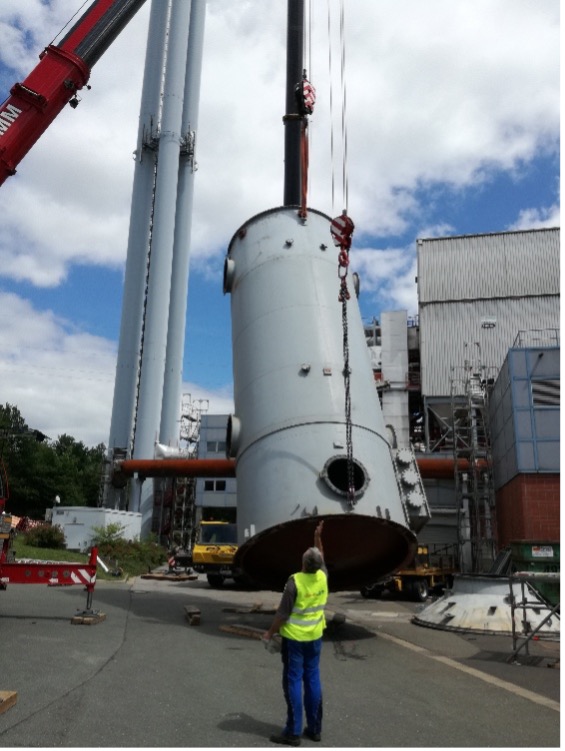
Ein Arbeiter leitet den Transport eines zylindrischen Filtertechnik-Behälters, der bei teilweise bewölktem Himmel per Kran auf ein Industriegelände gehoben wird.

What documentation do I receive after a plant inspection?

Depending on the order, you receive, among other things:

  • Inspection report / overview of findings
  • Photo documentation, if agreed
  • Measurement reports, such as wall thickness measurement including documentation
  • In the case of subsequent execution: welding documentation, such as WPS, welding sequence plans and weld inspection plans, if part of the commissioned scope of services

How can I prepare optimally for a plant inspection?

To ensure that the inspection runs efficiently within the agreed time window, the following information is helpful:

  • Plant overview, such as P&ID or sketch, and photos of nameplates
  • Known anomalies, such as operating values, fault messages and leakage points
  • Safety requirements / PPE, approval processes and on-site points of contact
  • Shutdown windows and access options
  • Preferred form of documentation, such as an internal template or inspection plan

What costs are incurred for a plant inspection?

Costs depend on:

Scope, such as plant areas, inspection points and measurements
Place of deployment / travel expenses, local vs. worldwide
Safety and approval requirements as well as shutdown windows
Documentation requirements

We calculate costs on a project-specific basis using your information and documents.

What are the benefits of regular plant inspection?

  • Fewer unplanned shutdowns
  • Better planning of maintenance and revisions
  • Greater execution reliability during repair work
  • Traceable documentation for internal processes
  • Prioritization of measures based on findings

Preventive vs. condition-based: what is the difference?

Preventive

Planned, interval-based or before revisions, with a focus on early detection and planning reliability.

Condition-based

Triggered by anomalies, with a focus on narrowing down causes, prioritization and short-term action planning.

What are the consequences of a missed or insufficient plant inspection?

Possible consequences, depending on the plant and industry, include:

Increased probability of failure and unplanned shutdowns
Consequential damage caused by undetected wear or corrosion points
Higher costs due to unplanned measures instead of plannable revisions
Increased risks in safety-relevant or emissions-relevant areas

How often should industrial plants be inspected?

This depends on criticality, operating conditions and operator requirements. Common practice includes:

  • Inspections as part of fixed maintenance or revision windows
  • Additional condition-based inspections in the event of anomalies

Would you like to carry out an inspection in a planned and properly documented manner? We at Impulse Filter work reliably, on schedule and remain easy to reach, from coordination through to documentation.